
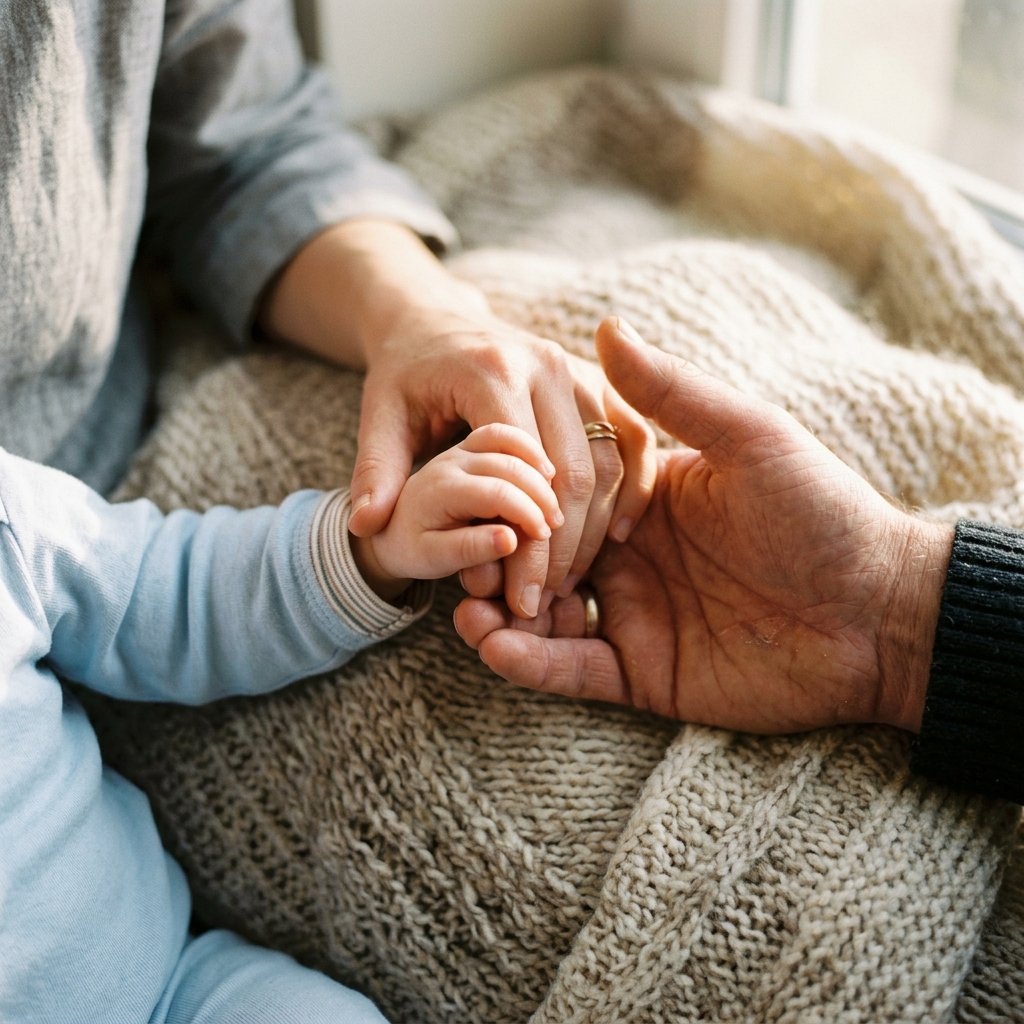
Right now, there are children in Minnesota who need someone to open a door for them. They may be siblings who need to stay together. They may be teenagers figuring out who they are. They may have experienced trauma that makes trust feel impossible. According to the Minnesota Department of Children, Youth, and Families, the state is especially in need of foster parents who can keep sibling groups together, support youth affected by trauma and mental health conditions, and reflect the ethnic and racial diversity of the children who need homes.
The licensing process involves an application, background checks, a home study, and some required training before a license is issued. The sections that follow will take you through each step.
Who can be a foster parent in Minnesota?
Most people who look into foster care assume they won’t qualify. They’re renting, not married, have a complicated history, or think their house is too small. The reality is that Minnesota’s eligibility requirements are much broader than most people expect, and the state actively needs people from all kinds of households and backgrounds.
Age and marital status
You need to be 21 years old to apply for a child foster care license in Minnesota. Beyond that, the state doesn’t require you to be married. Single adults, unmarried couples, and same-sex couples can all apply. According to the Minnesota Department of Children, Youth, and Families, Minnesota uses a single application for both foster care and adoption, and nothing in that process filters out applicants based on marital status.
Income and housing
You don’t need to own your home, and there’s no specific income threshold written into state law. What matters is that you can demonstrate financial stability, meaning you can meet your own family’s needs without depending on foster care payments to cover basic household expenses. Whether you rent or own, your home just needs to meet basic health and safety standards, which a licensor will walk through with you during the home study process.
Requirements vary by county, so check with your agency for specifics on what housing standards will look like in your area.
Physical and mental health
Foster parents need to be in good enough health to care for children, but this is assessed practically, not through a rigid checklist. The home study process looks at whether any physical or mental health condition would affect your ability to safely parent. A diagnosis or a history of mental health treatment doesn’t automatically disqualify you. What matters is how you’re doing now and whether you have the stability and capacity to meet a child’s needs.
Background studies and criminal history
Everyone in your household age 13 and older will go through a background study. Adults are required to complete fingerprint-based checks. Depending on the situation and how much time has passed, a past history may not be a disqualification, and reconsideration may be available. Agencies are encouraged to have an open conversation with you about your history before any decision is made.
That said, certain convictions are absolute barriers. Under federal law, a felony conviction for child abuse or neglect, spousal abuse, a crime against children, or a violent crime including rape, sexual assault, or homicide will permanently prevent licensure. A felony conviction for physical assault, battery, or a drug-related offense within the past five years is also a barrier. Minnesota’s barrier crime framework is built around these federal Adam Walsh Act requirements. The full details of what the checks cover and how disqualifications work are addressed in the background check requirements section below.
If you’re unsure whether something in your past would be an issue, the best move is to contact an agency and ask directly.
Who Minnesota especially needs
The Department of Children, Youth, and Families is clear about the gaps in the current foster parent pool. Minnesota particularly needs foster parents who can keep sibling groups together, who are ready to support teenagers, who have experience with trauma and mental health, and who reflect the racial and ethnic diversity of children in care.
Background check requirements in Minnesota
Before a child ever sets foot in your home, Minnesota wants to know who lives there. The process is more straightforward than it might sound.
Who has to complete a background study
Minnesota Statutes section 245C.03 requires background studies on everyone applying for a foster care license, plus all household members age 13 and older who aren’t themselves receiving licensed services. Adults in the home must complete fingerprint-based background studies. If you have a teenager living with you, they’ll be included too, though the bar for what disqualifies a minor is handled differently than it is for adults.
Short-term substitute caregivers who fill in for less than 72 continuous hours aren’t required to go through a background study, which is a practical carve-out for situations where a neighbor or family member steps in briefly while the license holder is in the home.
What the checks actually look at
The process involves a review of delinquency, criminal history, and child protection history. For adults, that includes a fingerprint-based check run against national crime information databases, which is a federal requirement under the Adam Walsh Act. The state also checks the child abuse and neglect registry, and if you or another adult in your home has lived in another state within the past five years, Minnesota will request records from those states as well.
Only substantiated maltreatment findings are included in the record review. If there was a child protection assessment that didn’t result in a maltreatment finding, it won’t be held against you, according to the Child Foster Care Background Studies Reform FAQ.
What can disqualify you
Some offenses are permanent bars, meaning they’ll disqualify an applicant no matter when the conviction occurred. Under the federal barrier crime framework Minnesota follows, permanent bars include felony convictions for child abuse or neglect, spousal abuse, crimes against children including child pornography, and violent crimes including rape, sexual assault, or homicide. A maltreatment finding of sexual abuse is also a permanent bar in Minnesota as of July 1, 2022.
Other offenses, including felony convictions for physical assault, battery, or drug-related crimes, are five-year bars. If the conviction is more than five years old, it won’t automatically disqualify you, though it may still be reviewed as part of a broader assessment.
If your history includes something that concerns you, the state encourages you to bring it up early. Depending on what it is and how much time has passed, it may not be disqualifying at all, and in some cases a reconsideration or variance process is available.
License duration and renewal
Once you’re licensed, your license is good for either one or two years. Before it expires, your assessment will need to be updated to renew it. Background studies completed on or after July 1, 2022 follow updated guidelines, and the look-back period for any disqualification depends on the specific offense and whether it’s measured from the date of conviction, the date of the incident, or the date of release from prison.
Requirements vary by county, so check with your agency for specifics on timing and how the renewal process works in your area.
What to expect from the home study
You’ve filled out the application, you’ve had your background checks initiated, and now someone is going to come to your house and ask you questions about your life. A social worker sits down with you and has a conversation — several conversations, actually.
According to Minnesota’s Department of Children, Youth, and Families, the home study process involves multiple interviews with you and your family members. The social worker then uses what they learn from those interviews, along with contacts they make with references and others who know you, to write an assessment. That assessment becomes the document that supports your license.
What the caseworker is actually looking for
The social worker’s job is to assess whether you can provide a healthy, stable environment for a child. The Minnesota Child Foster Care Licensing Guidelines are clear that the home study is an assessment process, not just an inspection checklist. The caseworker is trying to understand who you are as a person and a family.
They’ll want to talk about things like:
- Your motivation for fostering and what you’re hoping to offer a child
- Your family history and how you were raised
- Your current relationships, including how you handle conflict and stress
- Your support network, the people around you who will help when things get hard
- How you think about parenting and discipline
- Your openness to working with a child’s birth family
Your home will also be walked through. There are physical requirements, and the licensor will check that the space meets them. But a home visit is not a white-glove inspection. It’s a look at whether a child would be safe and comfortable there.
Who conducts it
The county or private agency you’re working with assigns a social worker to your case. That person will visit your home, interview you and your family members, and write up the assessment. As noted by Minnesota’s Department of Children, Youth, and Families, county and private agencies are required to use the format provided by the Human Services commissioner for the assessment itself, so there’s a consistent structure to what gets covered, regardless of which agency you’re working with. The completed assessment format is even available to review in advance if you want to know exactly what topics it covers.
How long it takes
There’s no single statewide timeline baked into the process. What you can expect is that the home study involves more than one visit and takes some weeks to complete once interviews begin. Your licensor will give you a clearer sense of timing based on their current caseload and your agency’s process. Requirements vary by county, so check with your agency for specifics.
One thing worth knowing
The guidelines encourage applicants to talk openly about their history, including anything complicated in their background or their household members’ backgrounds. Whether that history affects your license depends on the specifics and how much time has passed. According to Minnesota’s Department of Children, Youth, and Families, agency staff discuss background information with you and assess whether it impacts your ability to safely care for children in foster care.
Pre-service training requirements
Before a single child is placed in your home, you’ll need to complete pre-service training. It’s where you learn the real language of foster care: why kids behave the way they do, how the child welfare system actually works, and what you can expect in those first weeks.
What the state requires
Minnesota rules and statutes require that before a foster care license can be issued, applicants must complete pre-service training. Orientation and specific training are required for all foster parents, according to the Minnesota Department of Children, Youth, and Families.
How training is delivered
Your county or agency licensor is your starting point. Once you’re in the process, they’ll work with you to assign your training. According to DCYF, training is available both online and in person through the Minnesota Child Welfare Training Academy.
The Academy runs a structured pre-service program called Foster Parent Pre-Service Training (CWTA X403). As described on the Minnesota Child Welfare Training Academy website, the program combines four instructor-led virtual sessions with self-paced online modules through a platform called Foster Parent College. The virtual sessions are currently offered in the evenings, two hours at a time, over the course of several weeks.
What you’ll actually learn
The self-paced modules are assigned in stages between your virtual sessions. Topics covered include:
- The child welfare team and how it functions
- Child abuse and neglect
- Parent-child attachment
- Understanding behavior in foster children
- Child development
- Cultural issues in parenting
- Working with a child’s primary family
- Caring for children who have experienced sexual abuse
- Reducing family stress
- Foster care and adoption
The Training Academy notes that Foster Parent College content is endorsed by the National Foster Parent Association and developed by professionals in social work, pediatrics, psychology, and education.
What counties and agencies may add
Requirements vary by county, so check with your agency for specifics.
Some counties layer on additional required topics for the initial license. In Hennepin County, for example, non-relative foster parents must also complete training on discipline in foster care, the developmental impact of trauma, LGBTQIA+ youth safety and equity, and a county-specific orientation called “Nuts & Bolts: Foster Care the Hennepin Way” before their license is issued. Relative caregivers in Hennepin County have a shorter initial list, though many of the same topics are expected within the first year. Other counties run their own orientation sessions that walk you through local licensing procedures and what to expect once placements begin.
The state sets the baseline, and your county or agency builds on it. When you connect with your licensor early, you’ll know exactly what’s on your list before you start.
License types and renewal in Minnesota
If you’ve been wondering whether there’s one single “foster parent license” or a whole menu of options, the answer is somewhere in between. Minnesota approves foster homes under different categories, and which one applies to you depends on who you’re caring for and what your household situation looks like.
The main approval categories
Minnesota’s child foster care licensing guidelines describe several distinct approval categories for child foster care. A standard foster care license covers the placement of children who aren’t related to you. A relative foster care approval covers kinship placements, where the child has a family or significant relationship connection to your household. The requirements for each follow the same general framework, but the process for relatives can move differently, especially when a child needs to be placed quickly before a full license is in place.
Requirements vary by county — check with your agency for specifics.
Provisional and temporary approvals
Sometimes a child needs a home before the full licensing process is finished. Minnesota has a pathway for that. A relative or person with a significant relationship to a child can receive an emergency provisional approval, which allows a child to be placed in the home while the rest of the home study and licensing steps are completed. This isn’t a shortcut around the requirements — it’s a way to keep a child connected to family while the paperwork catches up to the reality of the situation. The licensing guidelines make clear that these placements still require an assessment process, and the full licensing steps need to be completed on a defined timeline.
How annual renewal works
Your foster care license doesn’t last forever on its own. Minnesota operates on an annual renewal cycle. According to Minnesota Statutes Chapter 245A, “annual” means prior to or within the same month of the subsequent calendar year, so your renewal window is tied to the month you were originally licensed.
In practice, renewal means your licensor will review your home again, confirm that your household still meets the physical and safety requirements, check that your training hours are current, and update any background study information that needs refreshing.
Hennepin County’s foster parent resources note that all training must be completed before your relicensing or annual review due date, and they recommend starting your training right after each annual review is completed rather than waiting.
Requirements vary by county — check with your agency for specifics.
Staying licensed: what’s required after approval
Getting licensed isn’t a finish line. It’s the beginning of an ongoing relationship with your licensing agency, and there are real, recurring responsibilities you’ll need to stay on top of.
Continuing education
Every year you’re licensed, you’re required to keep learning. Minnesota’s variance rules for child foster care set the baseline at 12 hours of in-service training per year, covering topics agreed upon between you and your licensing agency. That floor is firm. What’s flexible is the mix of topics you choose, and your agency can approve a variance to reduce the total hours if your circumstances warrant it. What they can’t waive are the topics written into state statute: child passenger restraint, sudden unexpected infant death (SUID), abusive head trauma, and children’s mental health training.
How those 12 hours break down varies by county and whether you’re a relative or non-relative provider. Hennepin County’s training guidance shows what this looks like in practice: non-relative foster parents there are required to complete at least 12 hours annually, with at least 5 of those hours from live virtual training. Relative providers in the same county are held to 6 hours. You’ll also need to recomplete Mandated Reporter training each year, and if you’re caring for a young person who’s turning 18, Vulnerable Adult training becomes required. All training should be finished before your annual review or relicensing date, and you’ll typically record it on a training log your agency provides.
Requirements vary by county, so check with your agency for specifics.
Annual reevaluations and home inspections
Your license doesn’t renew automatically. Each year, your licensing worker will conduct a review that looks at your home, your household, and how things are going. Minnesota’s child foster care licensing guidelines make clear that the ongoing licensing process is meant to be a continuing assessment, not a one-time event. That means your licensor will be in contact with you regularly, not just when something goes wrong.
Reporting obligations
Once you’re licensed, you’re a mandated reporter. That status doesn’t expire and it doesn’t apply only to the children in your care. If you have reasonable cause to believe a child is being maltreated, you’re legally obligated to report it. Mandated Reporter training, which shows up as a required annual renewal in training guidelines from both Hennepin County and the state, exists specifically to keep this obligation fresh. It’s one of the few training requirements that can’t be waived or skipped in any year.
Household change notifications
Your license is tied to your household as it existed when you were approved. If something changes, your agency needs to know. This includes new adults moving in, changes in your household’s chemical use history, and other shifts that could affect the safety or suitability of your home. According to Minnesota’s variance rules for child foster care, adult household members must sign a statement confirming they’ve been free of chemical use problems for the prior two years, which signals how seriously the state treats household composition as a licensing factor. A new adult in the home will likely trigger a new background study. Notify your licensor promptly when your household changes, and you’ll avoid complications at renewal time.
Sources used in this guide
Variances to the Minnesota Rule for Child Foster Care — Retrieved 2026-04-20
Child Foster Care — Retrieved 2026-04-20
Minnesota Statutes 2023, Chapter 245A — Retrieved 2026-04-20
Minnesota Child Foster Care Licensing Guidelines — Retrieved 2026-04-20
Become a foster parent | Minnesota Department of Children, Youth, and Families — Retrieved 2026-04-20
Foster parents | Hennepin County — Retrieved 2026-04-20
Child Foster Care – Social Services – Goodhue County, Minnesota — Retrieved 2026-04-20
Foster Parent Training | Minnesota Child Welfare Training Academy — Retrieved 2026-04-20
245C.03 Background Study; Individuals To Be Studied — Retrieved 2026-04-20
CFC BGS Reform FAQ — Child Foster Care Background Studies Reform: Frequently… — Retrieved 2026-04-20
Criminal Background Checks, Barrier Crimes, and Foster Care Licensing — Retrieved 2026-04-20